Powering the Shift to Electric: New CLT and Glulam Battery Charging Facility at Tarpeena
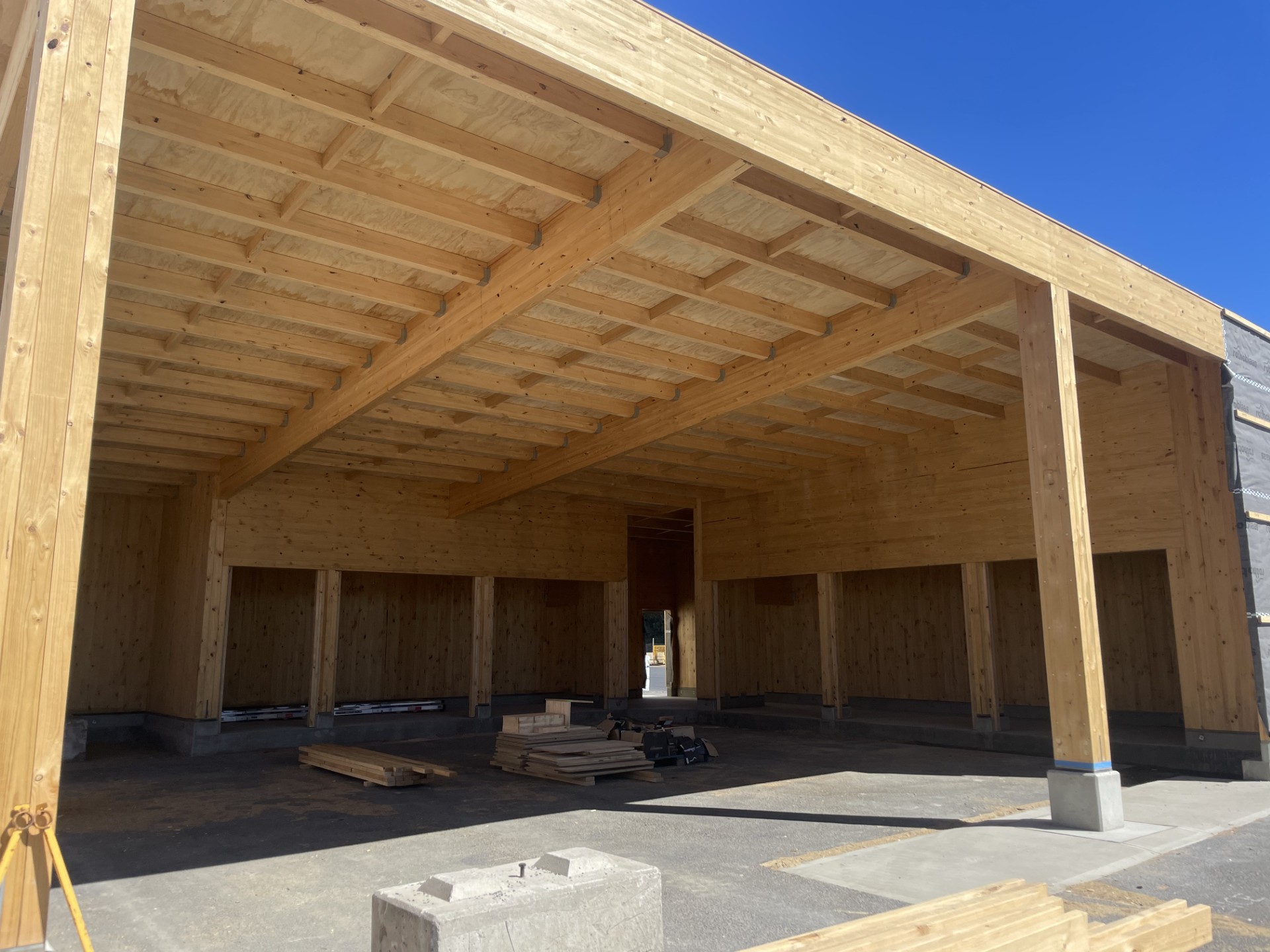
As more industrial sites transition to electric plant and equipment, the supporting infrastructure matters just as much as the fleet itself. At Timberlink’s Tarpeena site, we’re constructing a purpose-built battery charging building to support the arrival of a new electric forklift fleet in April 2026. The project brings safety, efficiency and material choice together, while also demonstrating how mass timber performs in real, working industrial environments.
Why a dedicated battery charging building matters
Introducing electric forklifts requires more than plugging in chargers. Battery charging and storage must be well ventilated, compliant and carefully managed. Without a central facility, charging points would need to be spread across the site. That approach increases traffic interaction, safety risks and operational complexity. This new building brings everything together in one controlled location.
Designed with safety and site flow in mind
The battery charging building has been planned through a detailed HAZOP process, with a strong focus on:
- Traffic separation and forklift movement
- Risk control during battery charging and handling
- Clear access and servicing arrangements
The final location was approved through site review and mobile plant network planning, ensuring it fits safely within existing operations.
Showcasing timber in an industrial setting
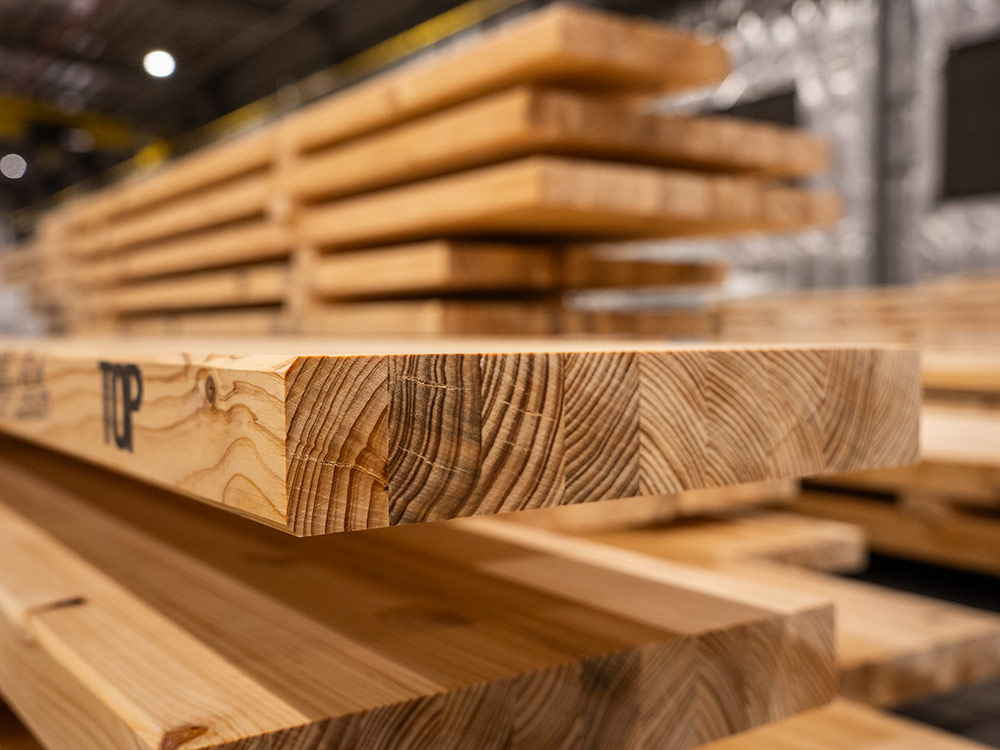
The structure features NeXTimber Glue Laminated Timber (GLT) and Cross Laminated Timber (CLT), demonstrating how engineered timber can be used beyond traditional commercial or residential builds.
In this case, timber provides:
- a practical structural solution
- a highly visible, working example of mass timber
- a durable material choice suited to industrial environments
The battery charging building will be a showcase demonstration of timber being used where performance and safety matter.